In today’s fast-changing world of manufacturing, using Glass Ceramic Burner Shields opens up a lot of exciting opportunities, but it also brings some pretty significant challenges. Kanger Glass-ceramic Co., Ltd., being the biggest producer of glass-ceramics out there, is really leading the way in this field. They’ve got a solid grasp of these advanced materials, which are super important for high-performance applications. That said, using glass ceramics isnât always straightforwardâthings like thermal stability, how you actually make them, and the costs involved can really influence how well they work in manufacturing. In this blog, Iâll break down some of the tricky parts about Glass Ceramic Burner Shieldsâwhat the manufacturers are dealing with, and some of the smart strategies they’re using to overcome these hurdles. Plus, Iâll shine a light on how Kanger Glass-ceramic Co., Ltd. is committed to pushing the boundaries and staying ahead in the world of special glass materials and systems.
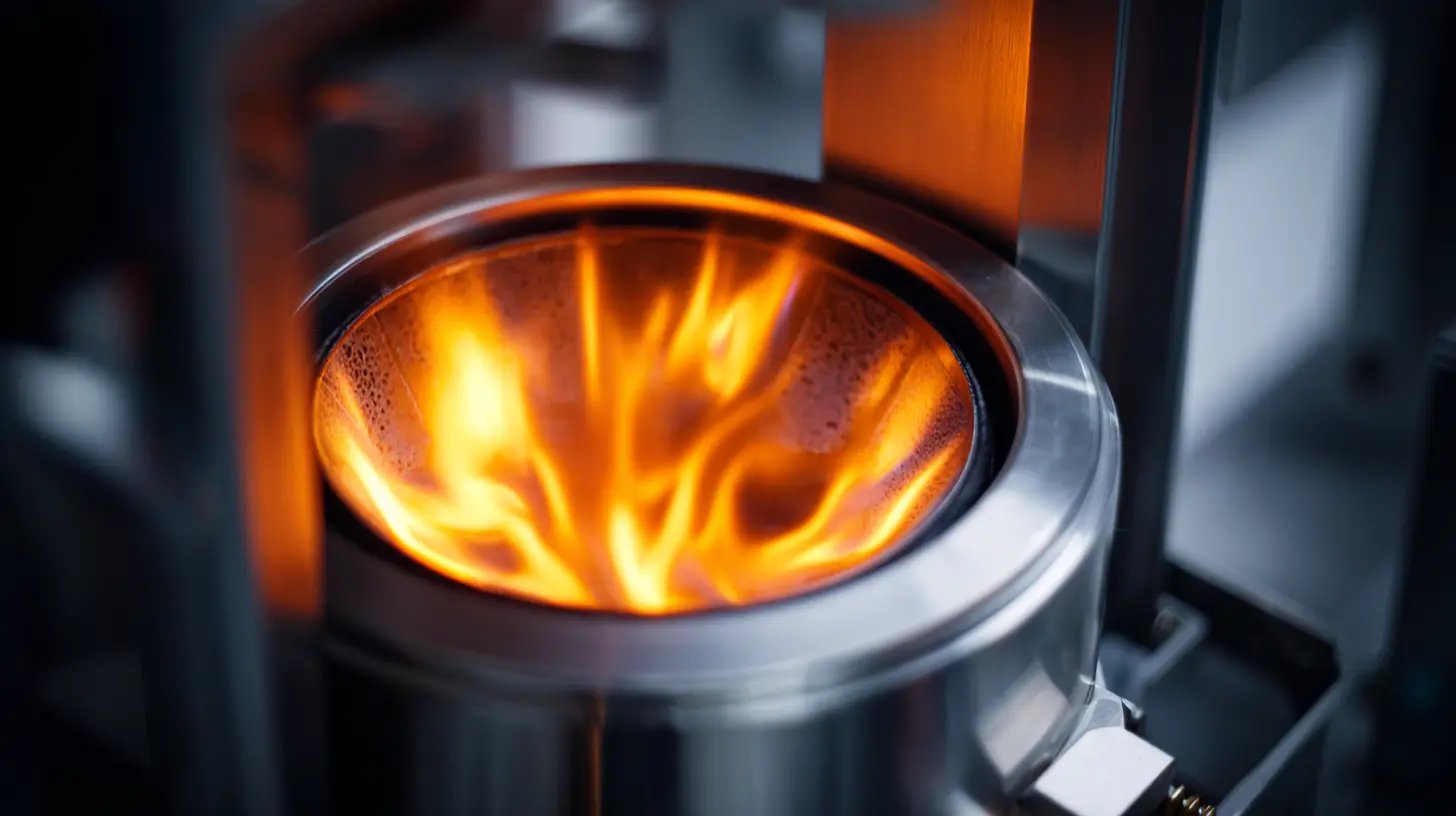
The Basics of Glass Ceramic Burner Shields in Manufacturing
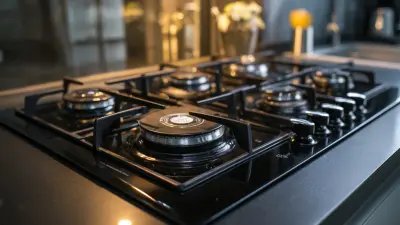
Glass ceramic burner shields play a crucial role in modern manufacturing processes, primarily in industries such as aerospace, automotive, and electronics. These shields are designed to withstand high temperatures and protect sensitive components from thermal damage. According to a recent market analysis, the global glass ceramic market is projected to grow at a CAGR of 6.5% over the next five years, indicating a rising demand for materials that can endure extreme conditions while maintaining structural integrity.
The composition of glass ceramics typically includes a mix of silica, alumina, and various additives that enhance their durability and thermal resistance. Reports from the American Ceramics Society highlight that glass ceramics can endure temperatures up to 1,200°C, making them ideal for applications involving intensive heat. However, despite their advantages, manufacturers face challenges related to the fragility of these materials during production and handling. The brittleness can lead to issues such as cracking and dimensional inaccuracies, necessitating careful processing and quality control to enhance performance and reliability in end-use scenarios.
Understanding the Challenges and Limitations of Glass Ceramic Burner Shields in Modern Manufacturing
Common Production Challenges Faced by Glass Ceramic Components
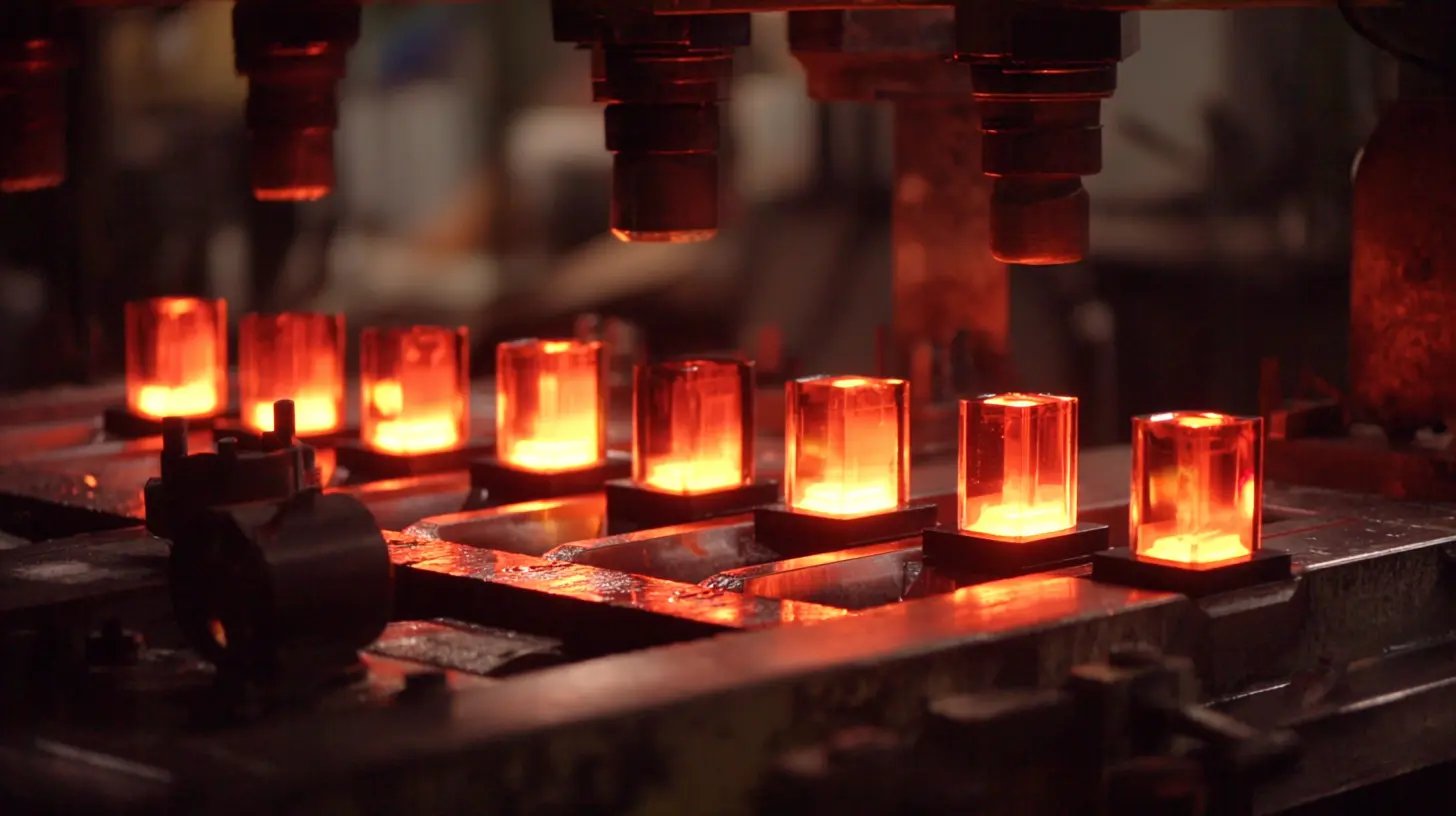
Making glass ceramic parts, especially burner shields, is no walk in the park. There are a bunch of tricky challenges that can affect how efficient and good quality the final product turns out to be. One of the biggest hurdles is really controlling the whole manufacturing environmentâthings like temperature and conditions have to be just right. If anything fluctuates even a little, it can cause issues like bubbles or cracks, which mess up the durability of the shields and can even cost more to produce.
Then thereâs the shaping part. Since glass ceramics are pretty brittle, molding and shaping them without breaking is a real challenge. Companies have to use special tools and machines that are designed for this delicate work, making sure everything stays within strict tolerances. Plus, finishing these parts to get a smooth surface isnât quick or easyâit takes a lot of time and effort, especially because the finish is super important for how well the shields perform.
All in all, tackling these problems requires a good mix of cutting-edge technology and really skilled workers. Itâs quite the balancing act, but thatâs what makes manufacturing glass ceramic burner shields so complex and interesting.
Material Limitations: Exploring the Durability and Heat Resistance
You know, when it comes to glass ceramic burner shields, one of the biggest struggles in today’s manufacturing world is actually their durability and how they handle heat. Sure, these materials are pretty good at staying stable under high temperatures, but when you compare them to newer materials popping up, they often arenât as tough or strong. On the bright side, thereâs some cool progress happening with thermal interface materialsâthese are basically super helpful for spreading out heat more effectively in electronics. They really improve how heat moves between the hot components and their cooling systems. Plus, there’s a noticeable shift toward using lightweight composite structures that can handle serious heat without losing performanceâthat’s pretty exciting stuff!
And then thereâs the leaps being made with fiber-reinforced composites. These materials are changing the game across lots of industriesâthink aerospace, automotive, you name it. They pack a punch when it comes to strength and are super light, all while resisting heat like champs. That makes them perfect for situations where traditional glass ceramic shields might not cut it. From what Iâve read, adding these advanced composites to products can really boost their efficiency and make them last longer. So itâs pretty clear that tackling the limitations of glass ceramics is pretty crucial if weâre aiming for higher performance and better durability in manufacturing today.
Design Constraints: Achieving Optimal Performance and Aesthetics
When it comes to designing glass ceramic burner shields that are both high-performing and good-looking, engineers and designers often hit some pretty tricky limits. Itâs not just about picking the right materials, but about finding that sweet spot between toughness, heat resistance, and visual appeal â which isnât always easy. And things get even more complicated in todayâs manufacturing setups, where you need precision engineering without sacrificing style.
You know, as the automotive world is starting to embrace generative design with some pretty cool new tools, I think thereâs a lot of potential for that approach to be useful here as well. Using AI and other advanced technologies, designers arenât just stuck with traditional methods â they can experiment with all kinds of shapes and ideas that meet both functional needs and look good too. Itâs like weâre on the verge of a real game-changer in how these parts are made, one that might unlock new designs, get rid of some old constraints, and really boost overall performance. All in all, itâs exciting to see how these innovations bring together the art and science of creating such vital components.
Economic Factors: Cost Implications in Manufacturing Processes
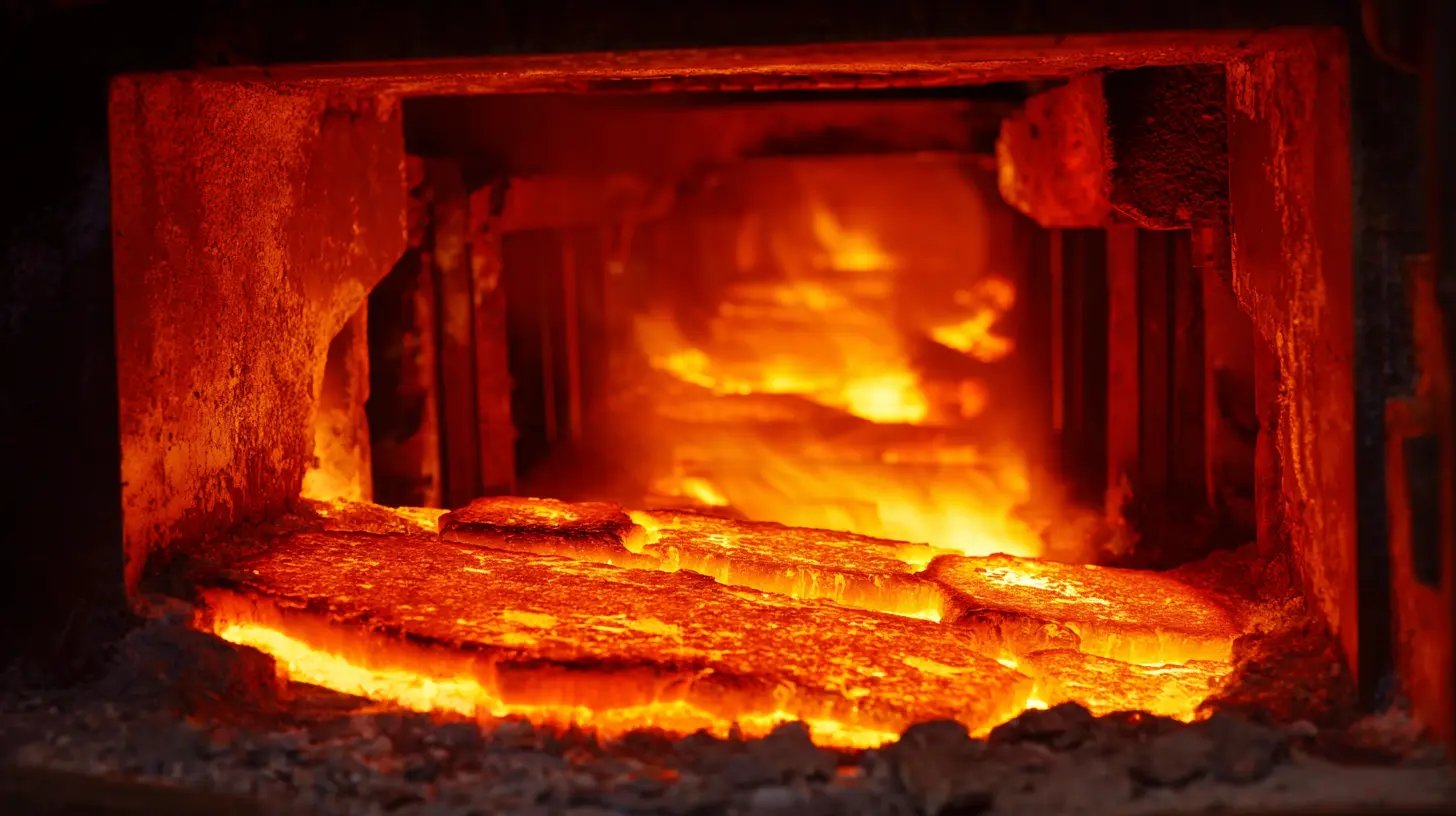
Making glass ceramic burner shields isnât exactly a walk in the park financially speaking. There are quite a few costs involved that manufacturers have to seriously consider. For starters, sourcing the right raw materials can get pretty expensiveâespecially since top-notch glass ceramics need specific compounds that donât come cheap. Then, thereâs the whole process of shaping and firing these materials at really high temps, which means you need specialized machines and skills. All of that adds up and pushes up the initial costs quite a bit.
On top of that, how much folks are willing to pay for these products plays a big role in how prices are set and what kind of profit margins manufacturers can expect. As demand for glass ceramics grows, companies are under more pressure to find ways to be more efficient. That often means investing in new tech that can cut waste and speed things up, but letâs be realâit doesnât usually pay off overnight. Striking the balance between keeping quality high and keeping costs manageable is a real challenge. Manufacturers then have to decide whether to eat those higher costs themselves or charge customers moreâwhich, of course, impacts their position in the market and how long they can stay afloat in a pretty competitive world.
Future Innovations: Addressing and Overcoming Current Limitations
You know, the glass ceramic burner shield has really become a pretty important part of modern manufacturing these days, especially in making appliances and cars. But honestly, the material often faces quite a challenge because it has to handle some seriously extreme conditions â high heat and mechanical stress can really test its limits. Thatâs why weâre gonna need some fresh innovations down the line to make these shields more durable and functional. By investing in research and developmentâmaybe even exploring some advanced composite materialsâmanufacturers can start pushing past existing limitations and create tougher, more reliable products.
One cool avenue scientists are looking into is using nanotechnology to boost those thermal properties. Basically, adding nanoparticles could let these shields handle much higher temperatures without cracking or warping â sounds promising, right?
**A quick tip:** Whenever you’re trying out new materials, itâs super important to run a bunch of tests in all sorts of conditions. That really helps get a clear picture of how theyâll perform in real-life scenarios.
And letâs not forget about the environmental side of things. As emissions and eco-friendliness become more and more crucial, switching to cleaner manufacturing processes and eco-friendly materials isnât just about following the rules â itâs also a smart move to win over consumers who care about the planet.
**Another little tip:** Teaming up with research institutions can open doors to new methods that balance sustainability and performance. This kind of collaboration might just lead to some game-changing breakthroughs in glass ceramic tech.
Understanding the Challenges and Limitations of Glass Ceramic Burner Shields in Modern Manufacturing – Future Innovations: Addressing and Overcoming Current Limitations
| Challenge/Limitations |
Description |
Current Innovations |
Future Potential Solutions |
| Thermal Shock Resistance |
Glass ceramics are prone to thermal shock, leading to cracks under sudden temperature changes. |
Development of new glass ceramic compositions that enhance thermal stability. |
Exploration of hybrid materials that combine glass ceramics with refractory metals. |
| Chemical Durability |
Exposure to corrosive agents can degrade glass ceramics over time. |
Coatings to enhance chemical resistance have been developed. |
Research into self-healing materials that can repair damage from chemical exposure. |
| Manufacturing Precision |
Achieving precise dimensions during manufacturing is challenging with current methods. |
Advancements in 3D printing techniques for glass ceramics. |
Implementation of AI-driven precision manufacturing tools. |
| Cost Efficiency |
High production costs limit widespread adoption. |
New production techniques are being explored to reduce costs. |
Investment in automated manufacturing processes to lower labor costs. |
| Sustainability |
Environmental impact of waste generated in production is a concern. |
Increased focus on recycling glass materials for production. |
Development of fully recyclable glass ceramics. |
Enhancing Your Home Ambiance: The Benefits of Transparent Glass Ceramics for Fireplaces
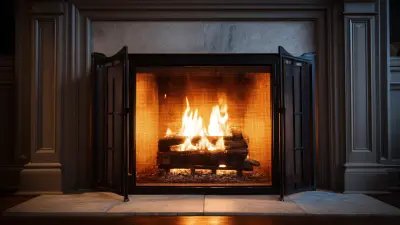
Transforming your home ambiance is all about the details, and one of the most striking elements can be the use of transparent glass ceramics in your fireplace. These sophisticated materials not only offer a modern aesthetic but also come with a myriad of functional benefits. The high-quality transparent ceramic glass produced by Kanger Glass showcases an impressive low coefficient of thermal expansion, ensuring that it maintains its integrity even under the most extreme temperature changes. This makes it an ideal choice for fireplaces, where heat dynamics are often a concern.
Furthermore, the exceptional thermal shock resistance of Kanger Glass allows for versatile applications. Whether you’re looking to enhance the atmosphere of a cozy living room or the operational efficiency of a kitchen stove, this glass can be customized into various shapes and sizes to fit your design needs. The glassâs design specifically targets indoor heating products, offering an unobstructed view of the flames and creating a warm and inviting environment. By incorporating transparent glass ceramics into your heating solutions, you not only elevate the overall decor of your home but also create a functional centerpiece that captivates and inspires.
FAQS
: Glass ceramic burner shields are primarily used in industries like aerospace, automotive, and electronics to protect sensitive components from thermal damage by withstanding high temperatures.
The global glass ceramic market is projected to grow at a CAGR of 6.5% over the next five years.
Glass ceramics typically comprise a mix of silica, alumina, and various additives that enhance their durability and thermal resistance.
Glass ceramics can endure temperatures up to 1,200°C, making them suitable for applications involving intensive heat.
Manufacturers face challenges related to the fragility of glass ceramics during production and handling, which can lead to cracking and dimensional inaccuracies.
Promising alternatives include thermal interface materials and fiber-reinforced composites, which improve thermal management and offer superior strength-to-weight ratios.
Thermal interface materials facilitate better heat dissipation between heat-generating components and their heat sinks, improving thermal management.
Addressing these limitations is essential for achieving higher performance standards in modern manufacturing contexts.
Advancements in fiber-reinforced composites are revolutionizing these industries due to their exceptional strength-to-weight ratios and superior heat-resistance properties.
The integration of advanced composites can lead to significant improvements in overall product efficiency and longevity.
Conclusion
In today’s world of modern manufacturing, Glass Ceramic Burner Shields are pretty important because of their unique qualities and various uses. But honestly, making these parts isnât exactly smooth sailing â there are all sorts of challenges, like common production issues and the limitations of the materials themselves, which can impact how long they last and how well they handle heat. Plus, designing these shields isnât straightforward; striking a balance between top performance and good looks can be tricky. And donât forget, costs play a big role too, affecting how feasible it is to produce them at scale.
At Kanger Glass-ceramic Co., Ltd., weâre proud to be a leading player, thanks to our massive production base. Going forward, staying innovative is more important than ever. By tackling the current hurdlesâlike durability and costâweâre excited about the possibilities for better performance and smarter manufacturing techniques. This kind of progress will help us push the boundaries of whatâs possible in glass-ceramic technology and keep us ahead of the game.