As more people around the world start looking for
induction cookware solutions, it’s really important to understand and address the common hurdles buyers face. No kiddingâmaking sure folks are satisfied and can cook efficiently is key to staying ahead in this market. According to recent numbers from
Research and Markets, the global induction cookware scene is expected to grow quite a bit, hitting around
$6.5 billion by 2026. This surge is largely thanks to new tech innovations and a growing love for energy-saving cooking methods. That said, there are some tricky partsâlike figuring out if cookware is compatible, choosing the right materials, and keeping costs reasonableâthat can make things complicated both for manufacturers and users.
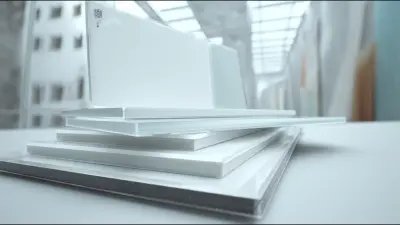
At Kanger Glass-ceramic Co., Ltd., the worldâs biggest producer and exporter of glass-ceramic products, weâre all about tackling these issues head-on. With our advanced research and a solid network in the industry, weâre committed to leading the way in special glass materials, parts, and systems. Basically, we’re dedicated to offering induction cookware solutions that really meet the needs of buyers everywhere, making cooking smarter and easier for everyone.
Understanding Induction Cookware: Technology and Benefits for Global Buyers
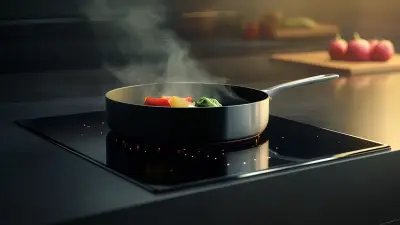
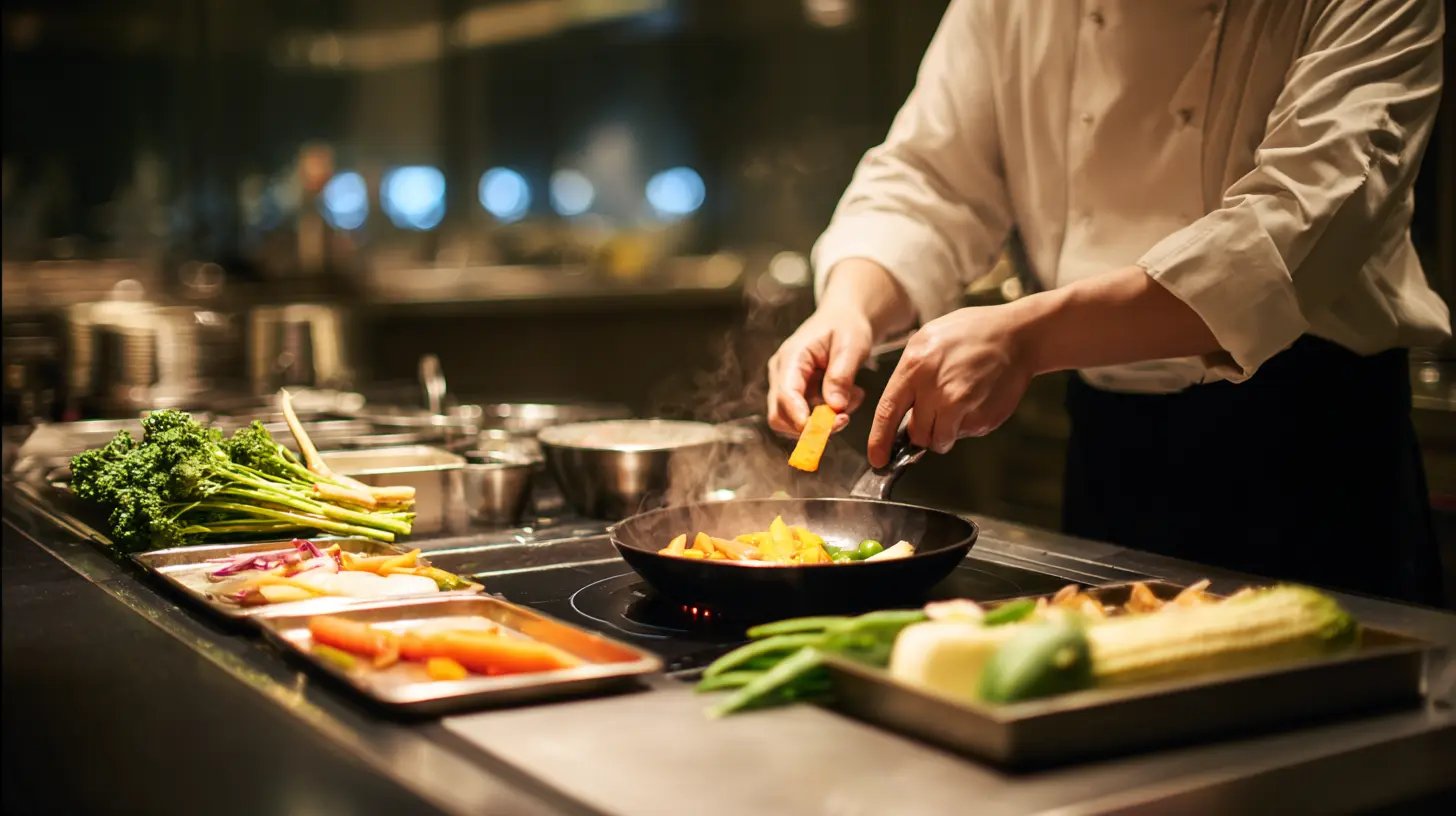 Induction cookware has really caught the attention of people all over the world these daysâmainly because it’s super efficient and uses some pretty advanced tech. Basically, it works by using electromagnetic fields to heat the pots and pans directly, which means you get better control over the temperature and can save some energy too. And let’s be honest, it cooks things faster and is safer since there’s less chance of burns compared to those old-school stovetops.
When you’re looking to buy induction cookware, a couple of things are worth keeping in mind. First off, check what materials theyâre made of. Kanger Glass-ceramic Co., Ltd.âwhich happens to be the biggest glass-ceramic producer and exporter in the worldâdoes an awesome job providing high-quality cookware that’s compatible with induction cooktops. Their state-of-the-art glass research center makes sure the materials meet international standards, so youâre getting stuff thatâs reliable and up to date with whatâs needed globally. If you go for a trusted brand like Kanger, youâre pretty much guaranteed durable cookware that performs well.
A quick tip: make sure to double-check if your pots and pans are compatible with your induction stoveâespecially that they have a magnetic base. Also, if youâre worried about sudden temperature changes, Kangerâs glass-ceramic options are pretty great at handling thermal shocks without cracking. And donât forget, itâs always a good idea to choose cookware thatâs easy to cleanâmakes your life easier and keeps your stuff looking good for longer.
Common Challenges in Selecting Induction Solutions: A Buyerâs Perspective
Picking out the right induction cookware can sometimes feel a bit overwhelming, huh? There are a few common hurdles folks run into that can make the whole decision a bit tricky. For starters, it’s not always straightforward to figure out if a product actually matches up with your existing setup. Youâve gotta make sure that the cookware is specifically designed for induction cooking because not everything works, no matter what the label says. Taking some time to dig into the specs and checking if they fit your stove is definitely worth it.
Then, thereâs the whole brand and value thing. With so many options out there, it’s easy to get lost trying to figure out which one really gives you good bang for your buck. A little trick is to peek at customer reviews and performance ratingsâthey can give you a good sense of how durable and effective the cookware is. And, honestly, sticking to well-known brands thatâve built a solid reputation for quality and innovation in induction technology can save you headaches down the line.
Oh, and donât forget about maintenance! Some materials need special cleaning habits to stay in top shape. The safest bet? Always check the manufacturer’s instructions and follow their care tips. It might seem like a small thing, but it really helps your cookware last longer and keeps your cooking results just right. All in all, taking a little time to research and care for your cookware makes the whole induction experience a lot more enjoyableâand less stressful.
Key Factors to Consider When Purchasing Induction Cookware
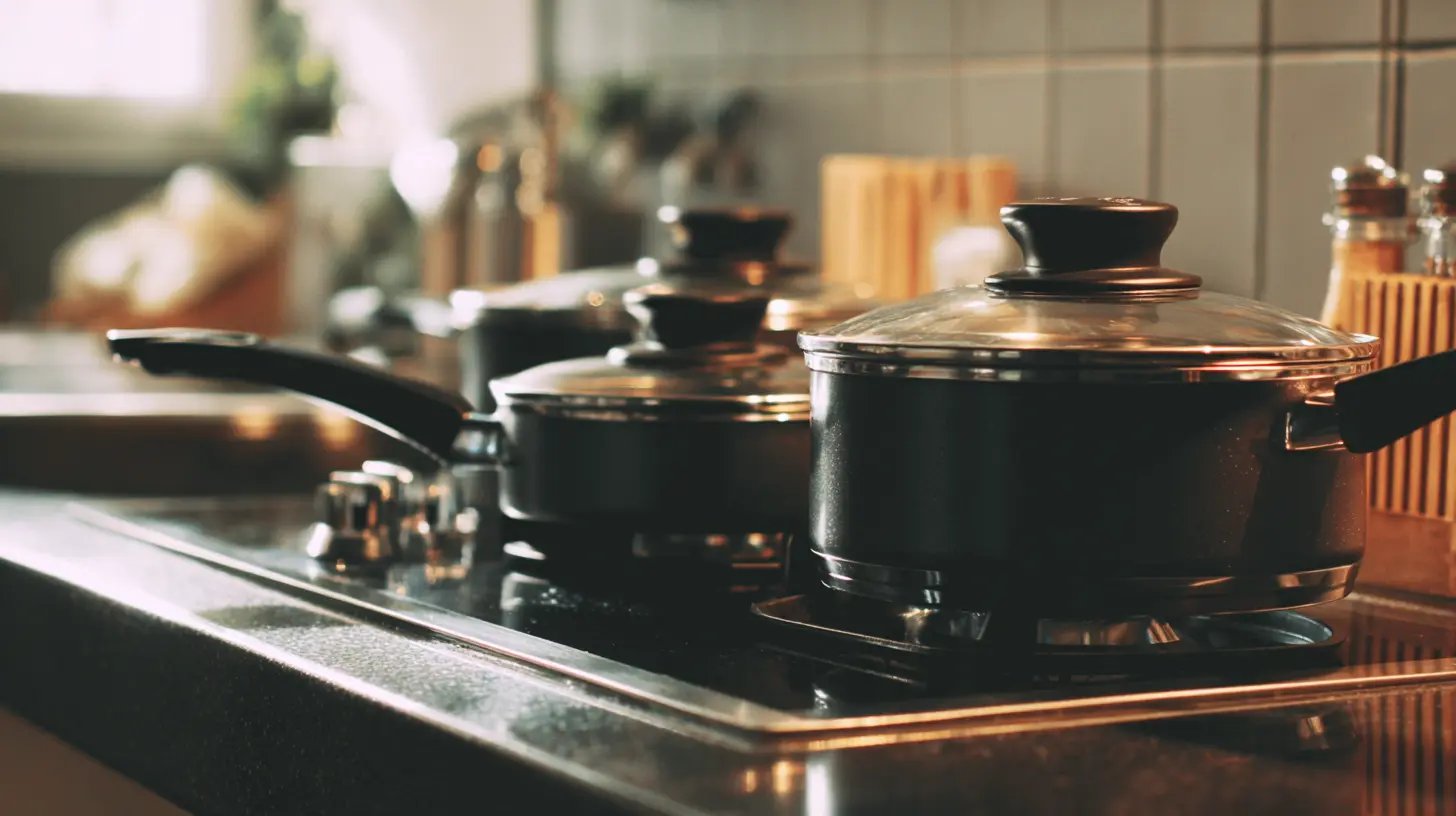
So, if you’re in the market for induction cookware, there are a few things you really want to keep in mind to make sure you’re getting something that works well and lasts. First off, you gotta check if the pots and pans are actually induction-compatible. Usually, you’ll see a little symbol on the bottomâthat’s a good clue. If not, just grab a magnet and see if it sticksâsimple and effective! If it clings, chances are, it’s good to go.
Another thing that’s pretty important is the thickness of the base. A thicker bottom tends to heat more evenly and is less likely to warp over time, which is a real bonus. Also, make sure the cookware has a flat bottomâthis just helps it sit flush on the cooktop, so everything heats up faster and more evenly. And donât forget about the handles and lidsâthose ergonomic handles that feel comfortable and snug-fitting lids really make a difference when youâre actually cooking. If you think about these little details, you’ll be way better off choosing something that makes cooking easier and more efficient with your induction stove.
Addressing Common Challenges in Cookware Induction Solutions for Global Buyers
| Key Factor |
Description |
Considerations |
Common Challenges |
| Material |
Induction cookware should be made of magnetic materials like stainless steel or cast iron. |
Ensure compatibility with your induction cooktop. |
Non-magnetic materials will not work with induction heat. |
| Size Compatibility |
Cookware size should match the induction burner size for efficient heat distribution. |
Measure your burner before purchasing. |
Oversized pans may not heat evenly. |
| Heat Distribution |
Good induction cookware provides even heat to prevent hotspots. |
Look for thick, flat bottoms. |
Uneven heating can affect cooking results. |
| Durability |
High-quality induction cookware is built to last and withstand high temperatures. |
Check for warranties and materials used. |
Poor quality may lead to warping and damage. |
| Ease of Cleaning |
Non-stick surfaces are easier to clean and require less oil. |
Consider dishwasher safety and maintenance tips. |
Some finishes may scratch or wear over time. |
Innovative Solutions to Enhance Induction Cooking Efficiency
You know, induction cooking has really become a hit around the world thanks to how fast and energy-efficient it is. But, letâs be honest, a lot of folks still run into trouble trying to adapt their cookware to this tech. Here at Kanger Glass-ceramic Co., Ltd., weâre all about offering high-tech glass-ceramic solutions that tackle these issues head-on. Our state-of-the-art materials help boost the efficiency of induction cooking by offering excellent heat conduction and thermal stability. That way, you get the best performance out of your cooking setup.
If youâre looking to get the most out of your induction cooktop, here are a couple of tips:
First, pick cookware that’s made from top-quality glass-ceramics â it really makes a difference in how evenly and quickly your pots and pans heat up. Second, make sure the bottom of your cookware is clean and smooth. It might sound simple, but keeping that surface nice and clean helps improve contact with the induction surface, which means better energy transfer and faster cooking.
At Kanger, weâre passionate about pushing the boundaries in glass-ceramic tech. We use the latest research and innovation to create products that donât just meet expectations â they go beyond. The result? A smooth, hassle-free cooking experience that saves you time and makes your culinary adventures even more enjoyable.
Navigating Compatibility Issues in Induction Cookware: Essential Tips
Induction cookware has definitely become pretty popular lately, especially among folks looking for more energy-efficient and safer ways to cook. But, honestly, one of the biggest headaches for people buying this gear worldwide is figuring out if their cookware is truly compatible. A report from Market Research Future back in 2021 pointed out that the induction cookware market is set to grow at around 9.6% annually until 2026 â so, yeah, itâs gaining some serious traction. The thing is, whether your cookware works on an induction stove depends a lot on its magnetic properties. Usually, iron, magnetic stainless steel, or enameled iron do the trick, but aluminum and glass pots? Not so much, unfortunately.
If you want to get the best results and avoid frustration, here are some tips. First off, look for cookware labeled âinduction-readyââthat little tag often makes a big difference because it means the item meets the magnetic requirements. Next, check out the size of the bottomâbigger bases generally spread heat more evenly, which is always a plus. And donât forget to peek at the manufacturerâs guidelinesâthey often include handy info about compatibility. Considering that a 2022 report from The Business Research Company found that a whopping 75% of consumers care a lot about energy efficiency when picking their cookware, understanding these compatibility details can really make your cooking experience better and less stressful.
Future Trends in Induction Cookware: What Global Buyers Should Know
Hey there! So, the world of induction cookware is changing super fast, driven by folks wanting more energy-efficient options and tech-savvy features. If you’re shopping around, itâs good to know whatâs trending right now.
For starters, a really cool thing happening is the surge in smart tech being built into these pots and stoves.
Imagine controlling your cooktop with just your phone â yeah, some of these induction cooktops come with IoT features that let you tweak settings, check temperatures, or start cooking from across the room. Itâs all about making things easier and more precise, which really appeals to those of us who love gadgets.
Plus, it totally fits with the bigger trend of wanting eco-friendly appliances that donât suck up tons of energy.
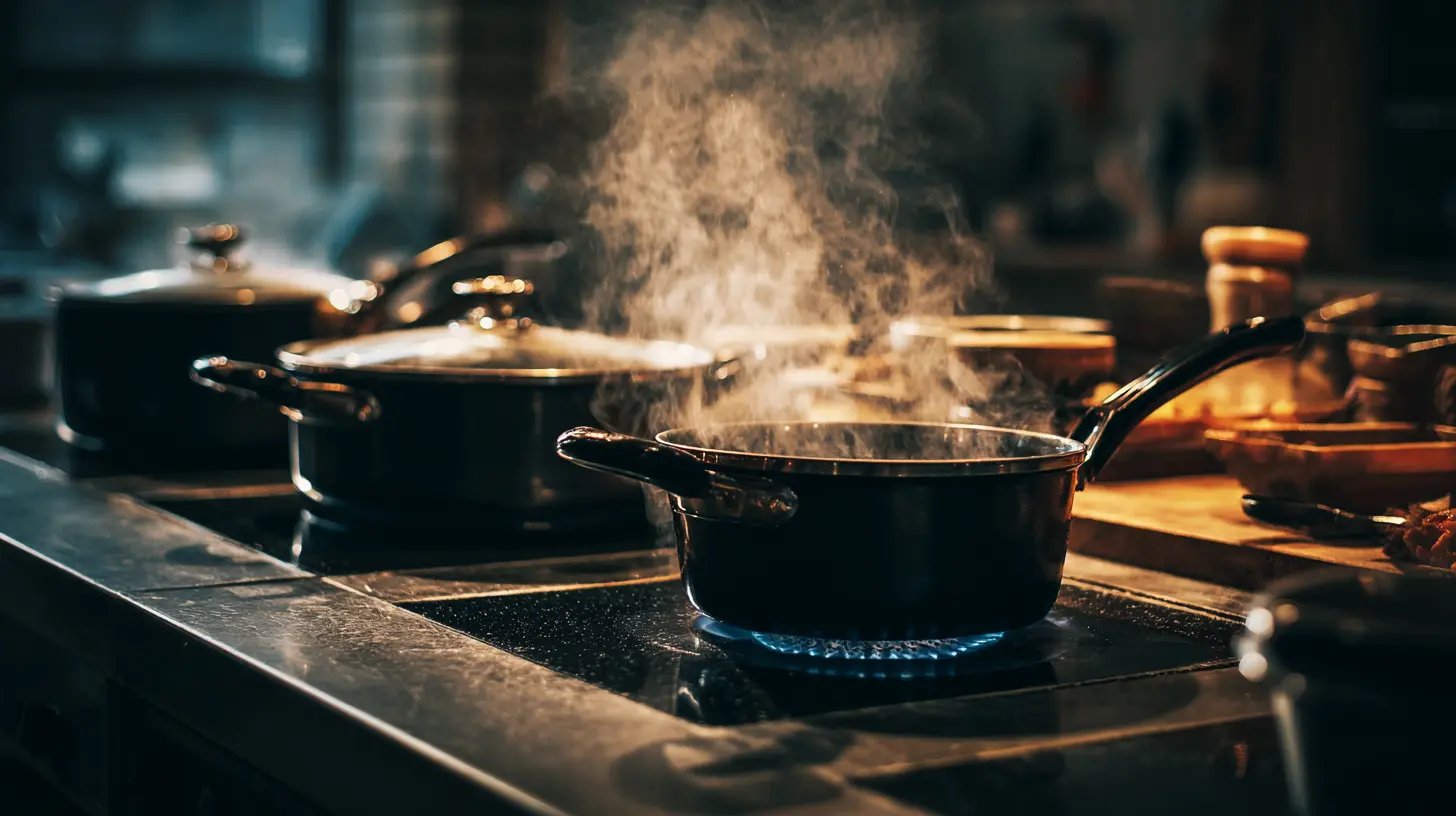
Another big thing beside tech is the shift toward using sustainable materials. More brands are stepping up their game and crafting cookware with eco-conscious options that still perform really well.
So, if you’re into reducing your carbon footprint, keep an eye out for products made from greener, less polluting materials.
Durability is also becoming a top priority â no one wants a pot that falls apart after a few months, right?
Thatâs why lots of companies are investing in coatings and designs that are tough but also help spread heat evenly.
Staying aware of these trends means you can pick out products that are not just modern and efficient but are better for the planet too. Cool, huh?
FAQS
: Induction cookware uses electromagnetic fields to directly heat the cookware rather than the stovetop, allowing for precise temperature control and energy efficiency.
Induction cookware cooks food faster, offers precise temperature control, reduces energy consumption, and creates a safer cooking environment by minimizing burn risks.
Check for a magnetic base on the cookware, indicated by a symbol on the bottom, or perform a simple magnet test to confirm its induction compatibility.
Cookware made from magnetic materials such as stainless steel and cast iron is ideal for induction cooking.
A thicker base improves heat distribution and helps prevent warping over time, enhancing cooking performance.
Look for cookware with a flat bottom for maximum contact with the induction surface, ergonomic handles for convenience, and lids that fit snugly.
Thermal shock resistance refers to the cookware’s ability to withstand sudden temperature changes, which enhances durability and longevity.
Prioritize materials that are easy to clean, as this will improve your cooking experience and help maintain the cookware’s performance.
Conclusion
In todayâs modern kitchens, induction cookware is really catching on with folks all around the world. People love it because itâs super efficient and uses the latest tech. But to really get the hang of induction cookware, itâs not just about knowing its perksâlike quicker cooking and saving energyâyou also want to be aware of some common issues buyers might run into. This blog walks you through the key things to think about when choosing induction solutionsâthings like making sure your new pots and pans play nicely with what you already have in your kitchen, and exploring some cool upgrades that can make your cooking even better.
By the way, Kanger Glass-ceramic Co., Ltd. is actually the biggest producer of glass-ceramic materials in the world. Theyâre always on the cutting edge, providing top-notch materials that keep up with what the induction market needs. With new trends on the horizon and some serious research behind them, Kanger wants to give buyers everywhere the tools and knowledge they need to make smart choicesâthat way, cooking becomes a smooth and enjoyable experience rather than a hassle.