In today’s food world, the materials we choose can really change how we cook, keeping things safe and efficient. One key player in all this is
Heat Resistant Oven Glass. It’s super important for creating the best cooking conditions and avoiding nasty thermal shock. A recent industry report shows that
the global heat-resistant glass market is expected to hit around USD 7.5 billion by 2025. Thatâs mostly thanks to folks wanting more durable kitchen gear.
Kanger Glass-ceramic Co., Ltd. is leading the way here. Theyâre the biggest glass-ceramic manufacturer out there, and they’ve got this incredible cluster of research facilities in China. Their aim?
To come up with innovative solutions that boost both safety and functionality when it comes to heat-resistant materials. So, when it comes to picking out the best
Heat Resistant Oven Glass, we really need to think about a few things: the composition, how durable it is, and whether it fits the different cooking tasks we have in mind.
Understanding the Importance of Heat Resistant Oven Glass in Cooking
Letâs chat about cooking for a second. You know, one thing that really can’t be stressed enough is how crucial heat-resistant oven glass is. This type of glass is specifically meant to handle those high temperatures in ovens, which is pretty important because it means your cookware wonât shatter or, even worse, leach harmful chemicals into your food. Picking the right heat-resistant oven glass not only keeps your cooking safe but also gives you that warm fuzzy feeling, knowing youâre using materials that are tough and totally safe for your meals.
Now, if youâre looking for top-notch glass materials, Kanger Glass-ceramic Co., Ltd. really stands out from the crowd. Theyâve got this advanced research center and a whole industry cluster behind them, which is pretty impressive. Kanger is all about creating specialized glass solutions that can handle the tough demands of cooking. Their glass-ceramic products are built to withstand thermal shock and really perform well, no matter what cooking situation you throw at them. By investing in this kind of high-quality material, home cooks like you can seriously up their game in the kitchen, ensuring that every recipe is crafted with lots of care and safety in mind.
Key Features to Look for in Quality Heat Resistant Oven Glass
So, when you’re on the hunt for heat-resistant oven glass, there are a few important things you really want to keep in mind to make sure you’re safe and cooking up a storm without any hiccups. First off, let’s talk about the material. You definitely want to find borosilicate glassâitâs a game changer! This type of glass can handle those high temps like a champ, and it’s way less likely to crack under pressure from quick temperature changes. Perfect for those hot and cold shifts!
Now, moving on to thicknessâthicker glass is usually the way to go. It tends to be sturdier and helps keep your cooking temperature nice and steady while minimizing the chances of cracks or shattering when you’re cranking up the heat. Hereâs a little nugget of wisdom: try not to throw your cookware from one extreme temperature to another. Let it warm up or cool down graduallyâit’ll thank you by lasting longer!
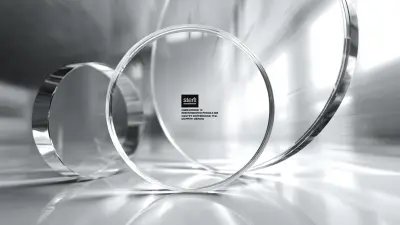
Also, donât overlook how clear the glass is. Good oven glass should let you peek at your food without having to open the oven door. You know how frustrating it can be to lose heat just to check on things! And if you can find some oven-safe glass that has measurement markings? Even better for those times when you need to be precise. Just make sure to check those manufacturer guidelines for the maximum safe temperature so you can avoid any kitchen catastrophes.
Comparing Different Types of Heat Resistant Glass for Ovens
When you’re picking the right heat-resistant glass for your oven, itâs super important to know about the different types out there. For everyday baking, standard tempered glass is often your best betâit can handle temps up to 500°F without breaking a sweat. But if youâre looking to really up your game, there are cool options like borosilicate glass. This stuff is tough! It can take those hot temps ranging from 500°F to 600°F. According to ASTM International, itâs got a lower coefficient of thermal expansion, which means it’s less likely to crack under rapid temperature changes. Thatâs a biggie if you love to experiment in the kitchen!
And hereâs a quick tip: Always take a peek at the manufacturerâs specs when youâre choosing your heat-resistant glassware. Itâll make sure youâre set for whatever recipe you want to tackle.
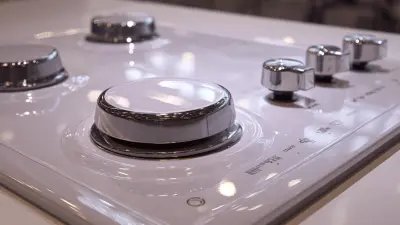
Ceramic glass is another favorite among cooks, especially for cooktops and some ovens. Itâs pretty durable and can deal with really intense heat, even going beyond 900°F in some cases. Sure, it might cost a little more, but if you bake often, itâs usually worth that extra investment. Just remember to think about what youâll be using it forâbaking, roasting, or broiling might need different features in your glassware.
One more thing to keep in mind: Glass with built-in temperature markings can be a lifesaver for monitoring your cooking times. It helps you avoid that dreaded overheating!
Comparison of Different Types of Heat Resistant Oven Glass
This chart compares the heat resistance and durability ratings of various types of heat resistant oven glass, providing insights into which option may best suit your cooking needs.
Tips for Maintaining and Cleaning Your Heat Resistant Oven Glass
You know, when it comes to keeping your heat-resistant oven glass clean and clear, it’s really not that toughâjust a little TLC goes a long way! First off, make sure to let that glass cool down completely before you even think about cleaning it. Trust me, sudden temperature changes can lead to cracks, and you definitely donât want that! Once itâs cooled, grab some warm water and a tiny bit of mild dish soap. That combo works wonders for getting rid of food gunk and grease. Just take a soft sponge or cloth and gently scrub the surface. Steer clear of anything abrasive that could scratch the glass; weâre all about keeping it in good shape here!
And if youâre faced with some stubborn stains or bits of baked-on grimeâno worries! A little paste made from baking soda and water can be a lifesaver. Just slather it on the problem areas and let it chill for about 15-20 minutes to help break down the mess. After that, wipe it off gently with a damp cloth. Donât forget to rinse it well with clean water to avoid any leftover cleaning residueânobody wants that! Keeping up with regular maintenance not only keeps your oven glass looking fab, but it also means it works better, so you can enjoy cooking without any pesky obstructions in your way!
Common Mistakes to Avoid When Choosing Oven Glass for Cooking
Picking the right heat-resistant oven glass?
Yeah, itâs trickier than you might think! A lot of folks tend to forget about some pretty important factors that can seriously mess with their cooking results. For example, one big mistake is totally overlooking the temperature rating of the glass. Seriously, not all oven glass is the same. Some can take the heat like a champ, while others might crack or even shatter when pushed to their limits. So, itâs always a smart move to check the manufacturer’s specs and ensure your glass can handle the hottest temps your recipes are throwing at it.
Another common pitfall is picking the wrong glass type for the cooking method youâre using. Take borosilicate glass, for instance. Itâs great for thermal resistance, but donât even think about using it for dishes that go from hot to cold in a snapâlike moving from the oven straight to the freezer. And letâs not forget about those pretty decorative glass pieces. They might look fantastic, but theyâre not always up for the high-heat challenge. Remember, safety and durability should trump looks if you want your cooking adventures to go off without a hitch!
Expert Recommendations for Top Heat Resistant Oven Glass Brands
So, when you’re picking out heat-resistant oven glass, you really want to think about how tough it is and how well it performs.
Experts have their favorites, and there are definitely some top brands that stand out for their reliable glass-ceramic stuff. Youâll want to find options that have high thermal stability and can handle those sudden temperature changesâthat way, your cookware wonât go breaking on you when you’re cooking up a storm!
Kanger Glass-ceramic Co., Ltd. is a big name in this game; in fact, they’re the largest producer of glass-ceramic in the world. With a ton of experience and a fancy research center, they’ve nailed down how to make high-quality, heat-resistant glass that fits all sorts of cooking needs.
So, when you go with established brands like Kanger, you can feel confident knowing your kitchen tools are built to last and safe to use.
Hereâs a little tip for you: always check what the manufacturer says about the maximum temperature your glass can take. Also, donât forget to think about the design and shape of the glass you need for what youâre cooking. Going for glass-ceramic not only makes cooking easier, but it also gives you some stylish pieces to serve your dishes in!
FAQS
: Borosilicate glass is recommended as it can withstand high temperatures without breaking and is less susceptible to thermal shock.
Thicker glass provides better insulation and durability, maintaining consistent cooking temperatures and preventing cracks or shattering during high-heat cooking.
Avoid sudden temperature changes by allowing the cookware to gradually heat up or cool down.
High-quality oven glass should be transparent, allowing you to monitor your food without opening the oven door.
Allow the glass to cool completely before cleaning, then use a mixture of warm water and mild dish soap with a soft sponge. For stubborn stains, a baking soda paste can be effective.
Avoid ignoring the temperature rating, using the wrong type of glass for specific cooking methods, and prioritizing aesthetics over durability.
Always check the manufacturer’s specifications to ensure the glass can handle the maximum temperatures required by your recipes.
Many people mistakenly believe decorative glass is suitable for high-heat cooking, but it is often not functional for that purpose.
Regular maintenance, including gentle cleaning with the right materials, helps keep your oven glass clear and functional.
Measurement markings enhance convenience for precise cooking, allowing for accurate ingredient measurements during preparation.